Research Blog / Zerobotics

Thinking
from first principles.

Design notes, open questions, and the ideas behind Forge.

01 / Design note

What does it mean for a robot to build itself?

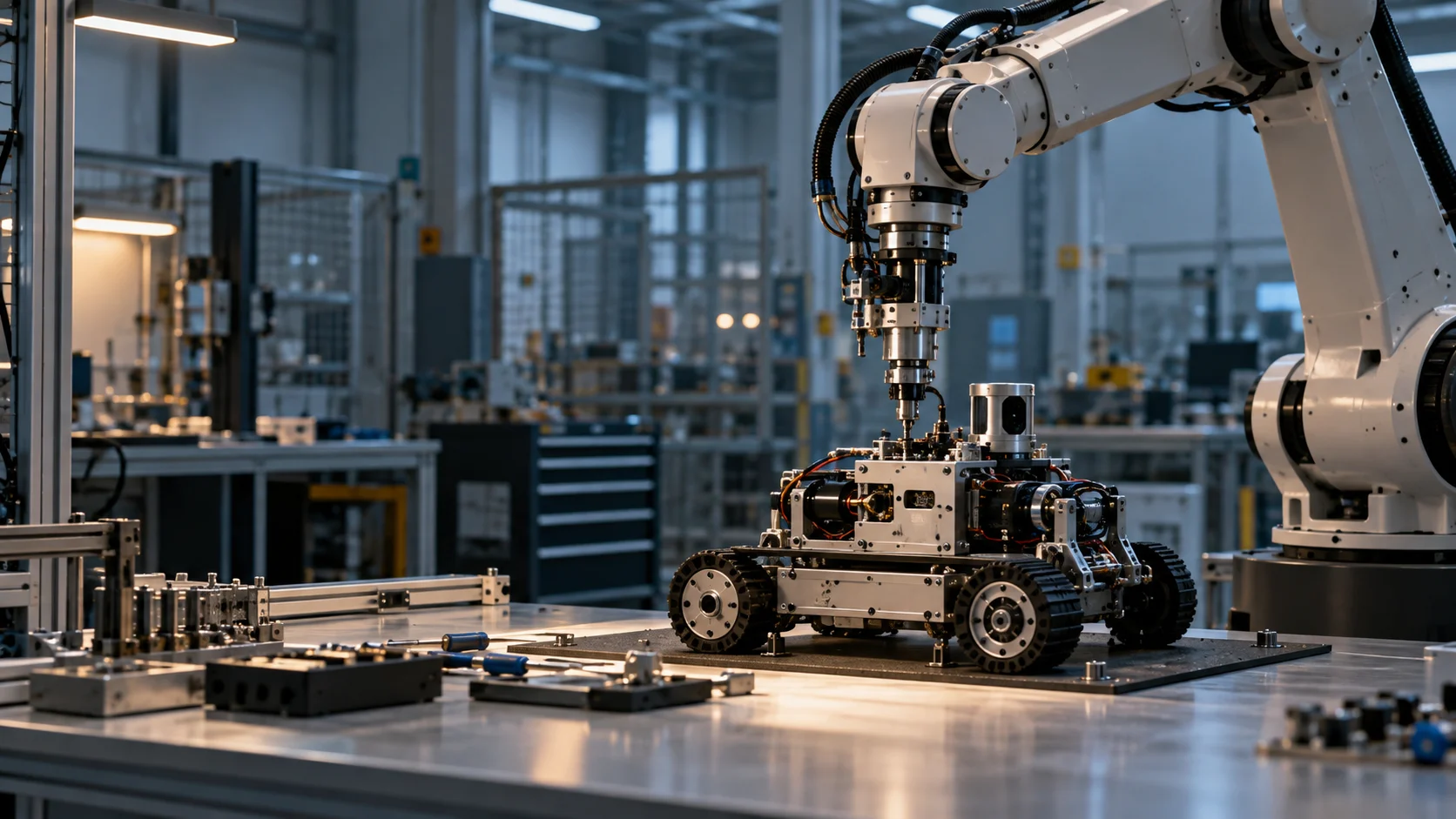
Concept illustration of a robot arm assembling another machine
Illustrative concept. Not prototype footage.

Making a copy is more than assembling the final pieces. A robot depends on motors, electronics, structures, tools, and energy. Each of those depends on other processes. Any serious path toward self-replication has to account for the work outside the frame.

Start by drawing the boundary.

A machine that assembles purchased parts has reproduced an assembly. It has not necessarily reproduced the capability that made those parts. Both can be valuable, but they are different achievements.

For Forge, the useful question is not just, “Can a robot build another robot?” It is, “Which steps can the system perform, what does it need from outside, and what can the resulting machine actually do?”

The goal is to reproduce useful capability, not just the appearance of a machine.

Then make the next dependency visible.

A sensible progression starts with a defined task. From there, a system could work toward assembling a machine, making selected components, and helping build the equipment required for another production cell.

Every step should make its dependencies explicit. Supplied materials, purchased electronics, human setup, and external inspection all count. Removing one dependency is progress; hiding it is not.

The long-term ambition is a factory that helps build another factory. That means connecting many processes into a reliable whole. It is a much larger engineering problem than a single robot performing a single impressive action.

Explore the development direction

02 / Perspective

A future measured in human freedom.

Manufacturing is the bridge between an idea and something people can use. But crossing that bridge takes equipment, expertise, time, and labor. Many ideas never make it across.

Our interest in Forge begins with a simple possibility: what could people create if the physical work of making things demanded less of their lives?

More than producing more.

More manufacturing capacity is useful. The reason to pursue it is what it could make possible: more room to invent, learn, explore, and spend time on work people choose.

That does not mean people stop making things. Craft, experimentation, and hands-on work can be deeply meaningful. The ambition is to make repetitive manufacturing less of a necessity and creative work more of a choice.

Machines should expand what people can create, and the lives they have time to live.

The purpose shapes the engineering.

A system built around this goal should be useful outside a carefully staged demonstration. It should have clear limits, reliable behavior, and a way to check what it has made.

Technical capability alone also does not guarantee broad access or shared benefits. Those are questions that need attention alongside the machines themselves. We see human creativity as the reason to pursue self-replicating manufacturing, not an afterthought once it exists.

Return to the mission

03 / Design note

What would count as progress?

A single successful attempt can show that a task is possible. It cannot, by itself, show that a manufacturing process is reliable. A useful evaluation needs repeated attempts, clear requirements, and an honest record of what happened.

For the direction we are pursuing with Forge, these are the questions we would want each demonstration to answer.

Did it make the right thing?

Define the acceptance criteria before starting. A part might need to fit, meet a dimension, or perform a function. A finished-looking object is not enough if it cannot do the intended job.

How often does it work?

Record the number of attempts, accepted results, failures, and recoveries. Consistency matters, along with whether the system can identify an incorrect result rather than passing it forward.

Where did people still intervene?

Include setup, fixture changes, part preparation, resets, inspection, and repair. These actions may be necessary, but they belong in the description of the process.

What still comes from outside?

Document purchased parts, supplied materials, off-site manufacturing, and specialist equipment. Counting locally produced components alone can miss a small but essential item that the system cannot make.

A stronger result is a process that can be explained, repeated, and independently checked.

This is a proposed way to evaluate progress, not a report of completed Forge tests. As capabilities develop, the important work is to replace ambitions with documented results, one defined task at a time.

Learn about Forge